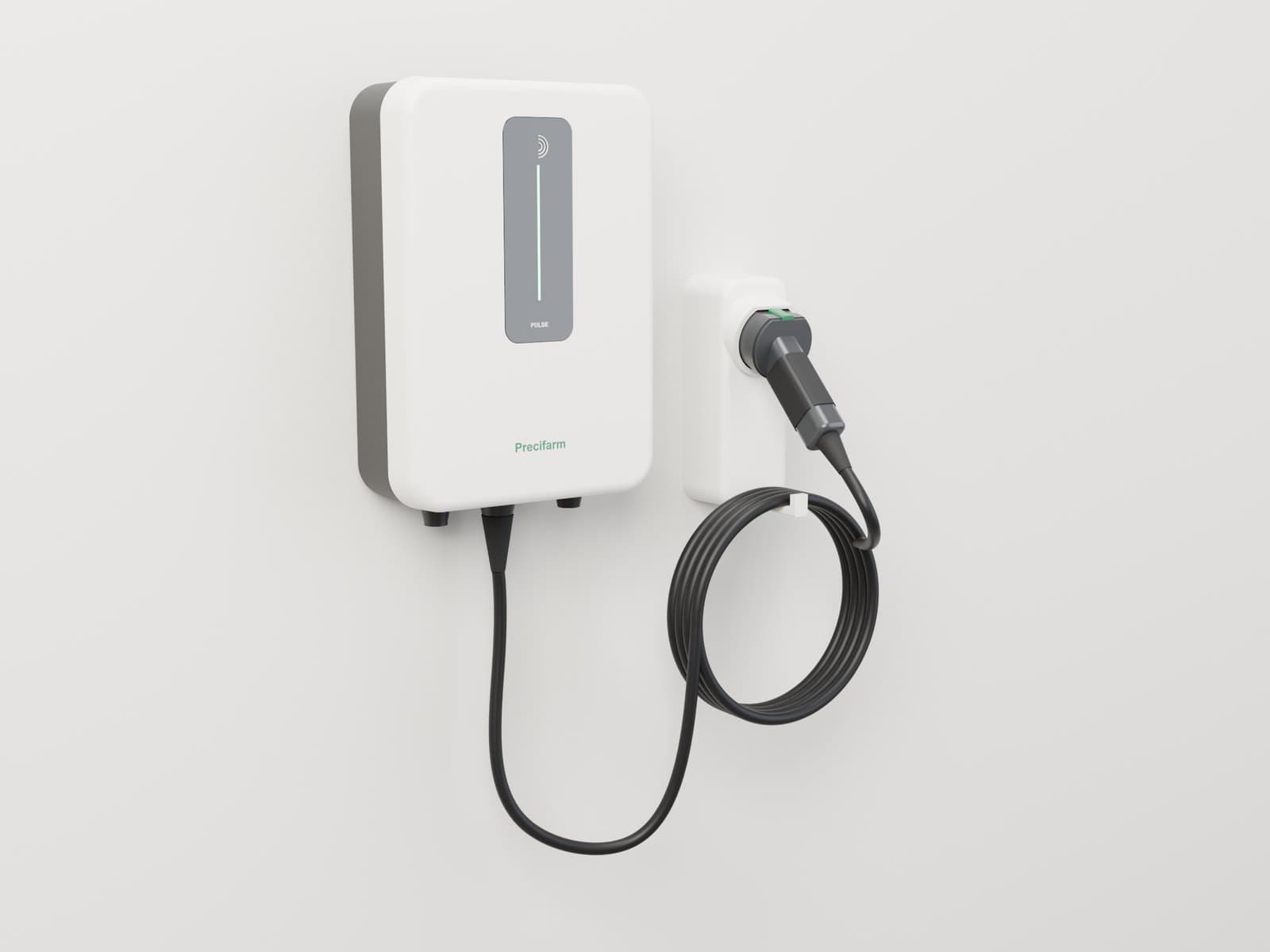
Pulse · from KES 79,000

Precifarm EV charging

Powering every electric journey.

From your doorstep to the highway, we're building the charging infrastructure that keeps Kenya moving. Reliable, accessible and designed for the road ahead.

Charge at home
Convenient, reliable EV charging with a Pulse charger. Plug in after work and most cars are fully charged by morning.
7× cheaper than fuel
A typical 60 km day costs about KES 140 on a Pulse charger against about KES 1,000 in fuel, saving about KES 860 every day.
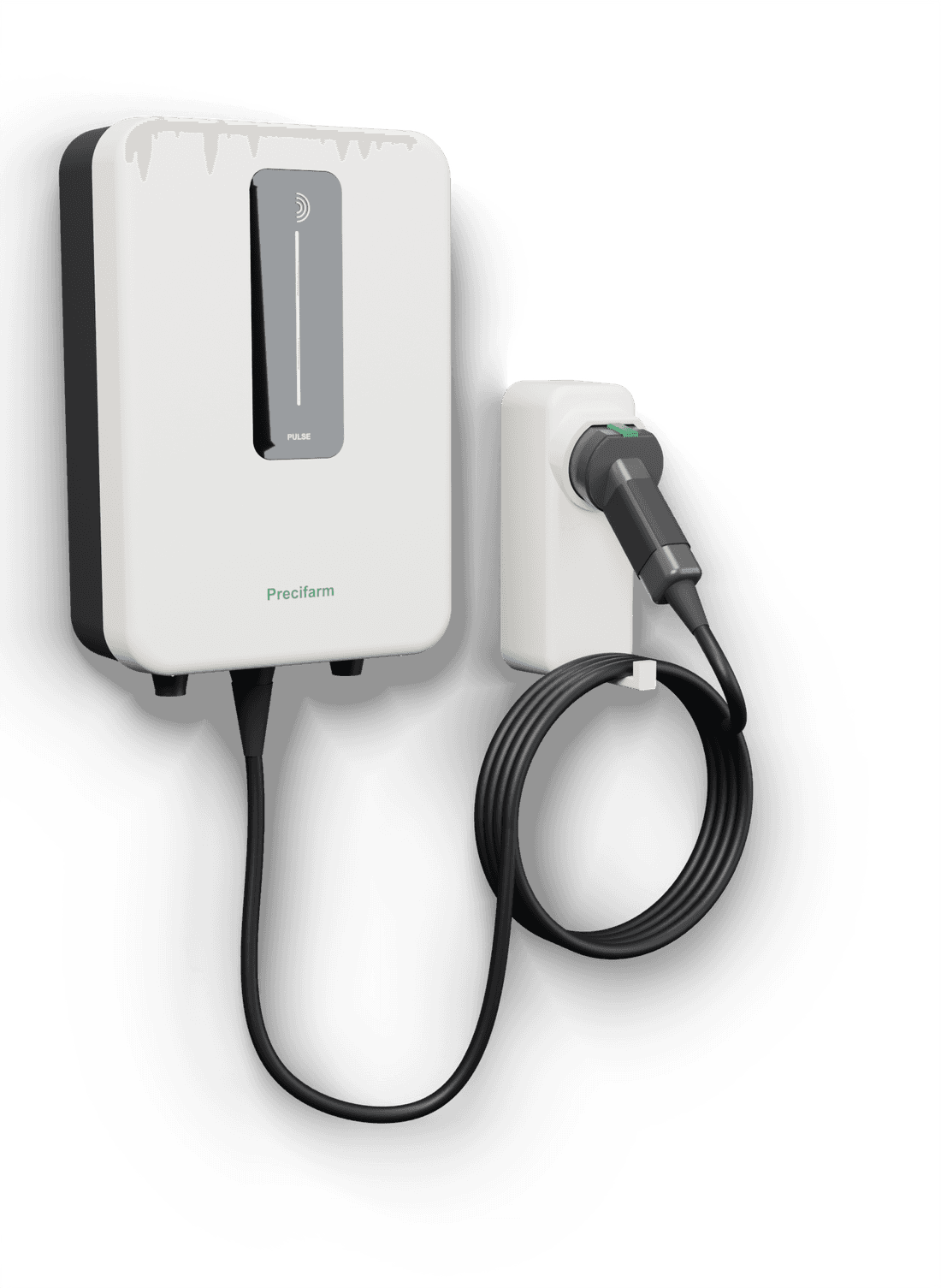
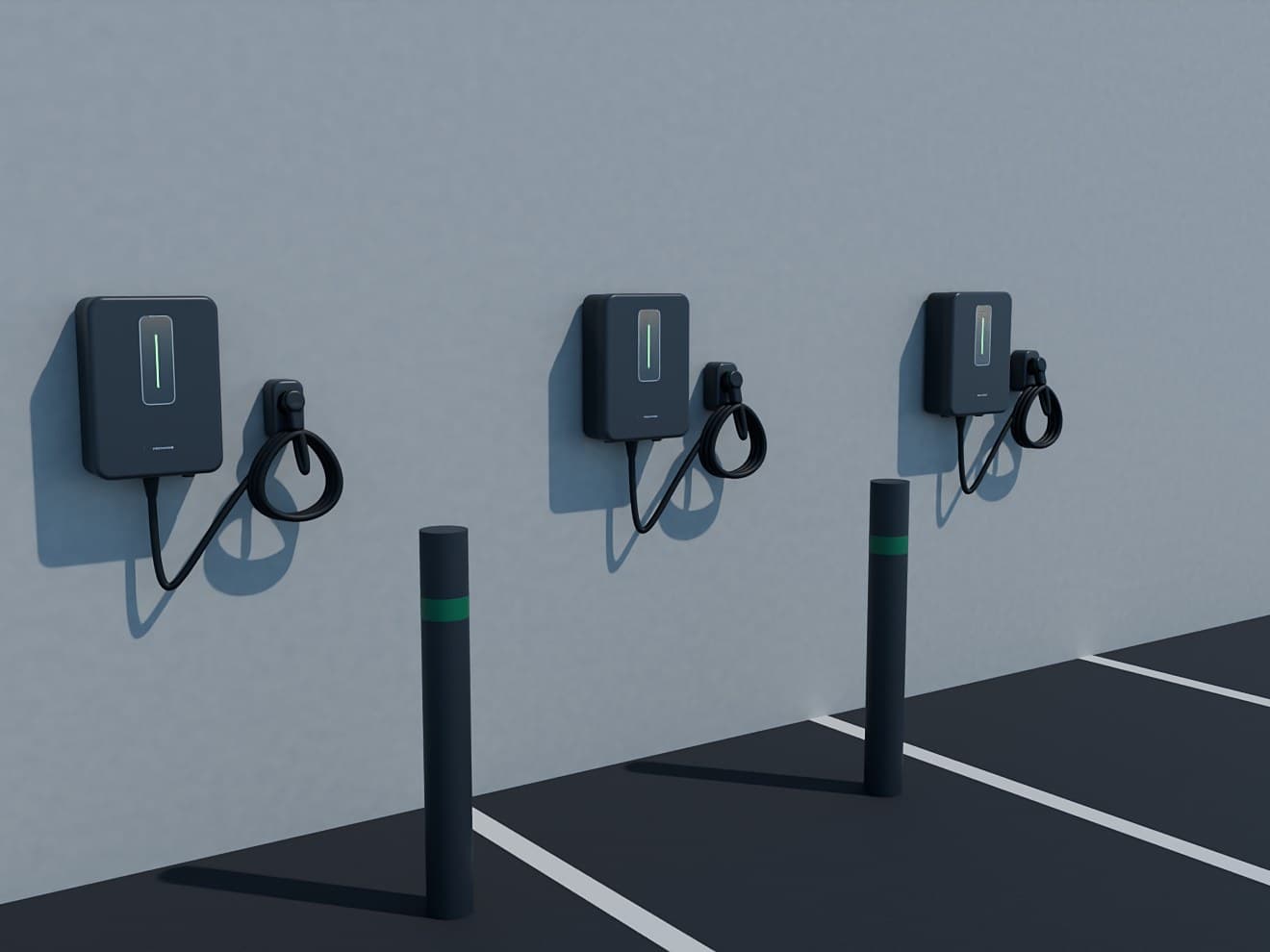
Precifarm Pulse 7 kW home wallbox installed on a wall, with the Type 2 cable coiled on its holster

Featured · Pulse charger

Wake up charged at home

  • 7 kW Pulse charger on your driveway — sized to your EV and meter, with no public queues. From KES 79,000, or Lipa Pole Pole from KES 3,300/month on M-Pesa.
  • Pulse trims its current to stay inside your supply, so the main fuse never trips while the car charges.
  • Survey, install and 3 years of aftersale from the same team that engineers and runs our route hubs.

What you get

More than a charger on the wall.

Precifarm handles survey, installation, financing and long-term care — so you are not left coordinating electricians, paperwork and after-sales on your own.

KES 140

Typical home day

~60 km in Nairobi vs ~KES 1,000 diesel.

1 day

Home install

Survey, wiring and commissioning for your Pulse charger.

3 years

Aftersale care

On every home unit we commission.

M-Pesa

Pay on any phone

Lipa Pole Pole and session pay — no bank account.

About Precifarm·Fleet & partners

Software & research

Building what charges Africa next.

Design your charging system with AI today. See the technology we are developing for tomorrow.

Precifarm Agent

Interactive engineering workspace.

Change the brief and watch the engineering tools work it through: energy, charge time, protection and cable, with every step in the trace.

Project brief

3-bedroom house in Nairobi, single-phase supply, power cuts most weeks.

Daily driving

  1. 1Daily EV energy14.4 kWh
  2. 2Overnight charge time2 h 17 min
  3. 3Circuit protection40 A + RCD
  4. 4Cable check2.48% drop
Single line diagram
  1. MeterKenya Power
  2. 40 A MCB30 mA RCD
  3. 6 mm² Cu25 m · 2.48%
  4. Pulse7 kW
  5. EVType 2
Calculation trace
  1. calculateEvEnergy(dailyKm: 80, kwhPer100km: 18)

    80 km/day at 18 kWh/100 km gives 14.4 kWh/day at the battery.

    calculated

  2. calculateChargingTime(kwh: 14.4, chargerKw: 7)

    14.4 kWh at 7 kW takes 2.06 h ideal, about 2.29 h with 90% efficiency.

    calculated

  3. sizeProtection(loadKw: 7, system: single-phase, isEvCharger: true)

    7 kW single-phase at 230 V draws 30.4 A, 38 A with the 1.25 continuous factor. Breaker: 40 A, plus 30 mA RCD (Type A + 6 mA DC detection, or Type B).

    calculated

  4. calculateVoltageDrop(currentA: 30.4, lengthM: 25, system: single-phase, csaMm2: 6)

    6 mm² copper: 5.7 V drop (2.48%), within the 5% limit. 30.4 A over 25 m (single-phase, copper) needs at least 2.97 mm² for ≤ 5% drop; smallest standard size that passes: 4 mm².

    calculated

  5. Assumes 18 kWh per 100 km and a 25 m run from the consumer unit. A site survey confirms the supply, earthing and cable route.

Wireless EV charging

Interactive R&D simulation.

Park over the charging pad and slide the car off-centre to see coil alignment, energy transfer and what happens when the car is misaligned.

Top view

Research simulation

Car receiver pad 0 mm centred on the ground pad. Centred over the pad. Full power transfer.ground padalignment window ±100 mm
Relative coupling
100%
Power transfer
100%

Centred over the pad. Full power transfer.

Illustrative model from Precifarm R&D, not operational hardware or measured data.

Let's build the electric network.

A free EV charging survey for your home, fuel station, office, workplace or depot. We respond within one business day.